
Put or Puts confuses a lot of people. It looks simple, but the rules trip up even good writers. The mix-up almost always comes down to one thing. Who is doing the action? That’s it. That’s the whole puzzle.
Here’s the quick version. Use “puts” for he, she, or it. Use “put” for I, you, we, or they. Sounds easy, right? But then past tense shows up and changes the game. “Put” also works for the past, no matter who you’re talking about. That one detail confuses everyone at first. Don’t worry. This guide breaks it all down. Simple rules. Real examples. No confusing grammar terms. By the end, you’ll never second-guess yourself again.
💡 The Short Answer
Here’s the fast version before we dig into the why.
Puts goes with third person singular subjects (he, she, it, or a singular noun like “the dog”).
Put goes with everything else: I, you, we, they, and any plural subjects.
And here’s the twist that confuses people: put is also the past tense of put, no matter who’s doing it. So “he puts” is present, but “he put” yesterday is past, and yes, that looks like it should be puts but it never is.
Read More: 500+ Best Saree Caption in Marathi for Instagram Posts
1. Present Tense Rules: Subject-Verb Agreement
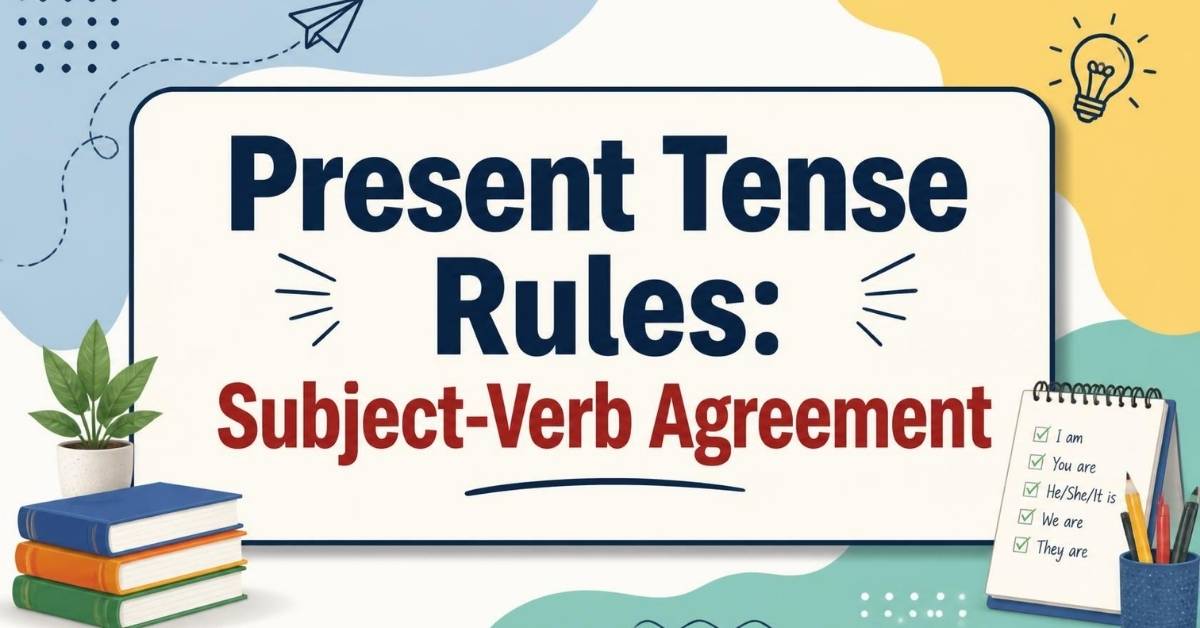
English loves its subject-verb agreement rules, and put is no exception. In the simple present tense, the verb changes shape depending on the subject standing in front of it. This isn’t random. It follows the same pattern as almost every other regular verb in English, just with one wrinkle we’ll get to.
Think of “puts” and “put” as two outfits for the same verb. One outfit fits third person singular subjects. The other fits everyone else. Get the subject right, and the correct verb form basically picks itself.
Use “PUTS” (with an ‘s’)
Add the ‘s’ when your subject is he, she, it, or any singular subject you could replace with one of those pronouns.
- “The dog puts his bone under the couch.”
- “She puts extra sugar in her coffee.”
- “It puts a smile on my face.”
Notice the pattern: one person, one thing, one action, and the verb gets that little ‘s’ at the end. This is the same rule that turns “run” into “runs” and “talk” into “talks.” Third person singular subjects always take that extra ‘s’ in present simple, and put follows the crowd here even though it breaks the mold later.
Use “PUT” (no ‘s’)
Drop the ‘s’ for first person (I, we), second person (you), and third person plural (they), plus any plural subjects.
- “I put my keys on the table every night.”
- “You put too much salt in that stew.”
- “They put the boxes in the garage.”
No ‘s’, no apostrophe, just the bare verb doing its job. This also covers plural subjects that aren’t pronouns. “The cats put their toys everywhere” works the same way “they put” does, because cats, plural, means no ‘s’ on the verb.
2. Past vs Present Tense
Here’s where a lot of people trip up, and it’s not really their fault. Put belongs to a small, stubborn club called irregular verbs, meaning it doesn’t follow the usual pattern of adding “-ed” for past tense. Instead of becoming “putted,” it just stays “put,” no matter who’s doing the putting or when.
Compare that to a regular verb like “walk.” “She walks” today, “she walked” yesterday, easy. But put refuses to change shape for the past. “He puts” his shoes on now, but “he put” them on this morning, and both sentences are grammatically sound even though the second one looks like it’s missing something.
| Subject | Present Tense | Past Tense |
| He/She/It | puts | put |
| I/You/We/They | put | put |
| The dog | puts | put |
| The cats | put | put |
Notice that past tense rules wipe out the ‘s’ completely, even for subjects that would normally take it in the present. That’s the irregular part. Once you know it, you stop expecting “putted” to show up anywhere.
⚠️ Tricky Alert
This is the single most common mistake with this verb: people write or say “he putted” thinking it should match present tense rules. It’s an easy trap since nearly every other verb adds “-ed” for the past.
But “putted” only exists in one narrow context: golf, where a player “putted the ball” on the green. Outside of golf, putted incorrect usage is one of the most searched grammar errors online, so if you’ve made it, you’re in good company, just not correct company.
3. “Put” or “Puts”?
This mix-up isn’t about tense at all. It’s about punctuation, specifically the apostrophe. An apostrophe with verbs almost never belongs there, and put is no exception to that rule. Verbs describe actions. Apostrophes show possessive form or mark a contraction. Those two jobs rarely overlap.
✅ Puts (Correct Verb)
“Puts” with no apostrophe is the correct verb tense for third person singular subjects, full stop.
- “She puts the mail on the counter.”
- “The manager puts new stock on the shelves every Monday.”
No apostrophe, no exceptions. This is a verb form, doing verb things, and nothing about it signals ownership.
❌ Put’s (Usually Incorrect)
“Put’s” with an apostrophe shows up sometimes, but it’s almost always a typo, not a real grammar choice. There’s no standard case where “put’s” functions correctly as either a possessive form or a contraction, because “put” isn’t a noun you can own something with, and it’s not short for “put is” in any natural sentence.
If you ever see “put’s” in writing, treat it as a mistake to fix, not a style choice to follow.
Read More: 550+ Best Self Love Caption for Instagram to Boost Confidence
📚 10 Real-World Examples
Seeing the rule in action beats memorizing it, so here are ten grammar examples split by subject type.
Using “PUTS” (He/She/It)
- He puts his phone on silent during meetings.
- She puts extra effort into every project she touches.
- It puts pressure on the whole team when deadlines shift.
- The teacher puts the assignments online every Friday.
- My neighbor puts his trash out too early every week.
Using “PUT” (I/You/We/They)
- I put my trust in people who show up on time.
- You put a lot of thought into that gift.
- We put our differences aside and finished the project.
- They put the furniture back before the guests arrived.
- The kids put their shoes away without being asked, for once.
Read through these once out loud, and the English verb conjugation pattern starts to feel automatic instead of academic.
When to Use Put vs Puts in Commands and Questions
There’s a spot worth covering that most guides skip: commands and questions.
In a command, put never takes an ‘s,’ even if you’re talking to one person. “Put that down” works whether you’re speaking to one kid or five. That’s because commands use the base form of the verb, no matter the subject, so this is one place where subject-verb agreement steps aside entirely.
Questions follow a similar shortcut. “Does he put the keys back?” uses “put,” not “puts,” because the helping verb “does” already carries the third person singular signal. This trips people up constantly. They see “he” and want to add an ‘s’ to the main verb too, but English only needs one signal per sentence, and “does” already sent it.
Read More: Naive or Nieve? Here’s the Truth Nobody Tells You 2026
Put in Different Sentence Structures
Grammar rules don’t live in isolation. They show up differently depending on the sentence around them.
In passive constructions, put shifts again: “The book was put on the shelf” uses put as a past participle, not a simple past tense verb, and the form stays identical either way, which is honestly one of put’s few user-friendly traits. In conditional sentences, “If she puts the offer on the table, we’ll consider it” keeps the regular present tense rule intact, third person singular, so “puts” is correct there too.
| Structure | Correct Form | Example |
| Command | put | “Put the phone away.” |
| Question with ‘does’ | put | “Does she put sugar in it?” |
| Passive voice | put | “It was put in the drawer.” |
| Conditional (if he/she/it) | puts | “If it puts you at ease, call me first.” |
Common Mistakes People Make With Put and Puts
Even fluent speakers slip up here, so let’s name the usual suspects.
- Mistake one: adding an apostrophe where none belongs, like writing “put’s” instead of “puts.”
- Mistake two: forgetting that put doesn’t change in the past, so “he putted the dishes away” sneaks in when it shouldn’t.
- Mistake three: matching the verb to the wrong word in a longer sentence, like “the list of items put on the table” instead of correctly tracking that “list” is singular.
That third one deserves a closer look, because it catches even careful writers. When a subject has a long phrase attached to it, like “the box of old letters,” the verb still has to agree with the main noun, “box,” not “letters.” So it’s “the box of old letters puts everyone in a nostalgic mood,” even though “letters” sits right next to the verb and tempts you toward “put.”
A simple fix: mentally strip out the extra description and find the real subject first. “The box… puts.” Once you isolate it, the correct verb form becomes obvious again. This trick works for almost every tricky subject-verb agreement case, not just this one.
Put vs Similar Irregular Verbs
Put isn’t alone in refusing to change for the past tense, and knowing its cousins helps the rule stick. “Cut,” “hit,” “set,” and “let” all behave the same way: same word for present and past, no “-ed” ending in sight. “I cut the paper today” and “I cut the paper yesterday” look identical, exactly like put does.
Why does this matter for our topic? Because once you recognize put as part of this small family of irregular verbs, the “putted” mistake starts to feel obviously wrong, the same way “cutted” or “hitted” would. Your ear already rejects those. Let it reject “putted” too.
❓ Frequently Asked Questions
Is “he put” correct grammar?
Yes, absolutely, as long as you’re talking about the past. “He put” describes something that already happened, and since put doesn’t change for past tense, this is the correct form for every subject, not just “he.” If you meant right now, present tense, you’d need “he puts” instead.
Do you say “she put” or “she puts”?
It depends entirely on timing. Use “she puts” for something happening now or as a regular habit, like “she puts her keys in the same spot every day.” Use “she put” for something already finished, like “she put her keys down and forgot where.”
What is the plural of put?
This one’s a bit of a trick question, because verbs don’t really have a “plural” the way nouns do. What changes is the subject: plural subjects like “they” or “the dogs” pair with put, not “puts.” So there’s no separate plural verb form here, just the same put you’d use for I, you, we, and they.
Conclusion
So, Put or Puts. Which one wins? It depends on your subject. That’s the whole trick. Use “puts” for he, she, or it. Use “put” for everyone else. Easy, right? And don’t forget the past tense rule. “Put” stays “put,” no matter who you’re talking about. No “putted.” Not outside golf, anyway. Once you know this, Put or Puts stops being confusing.
Grammar doesn’t have to be hard. Put or Puts is a perfect example. One small rule. One quick check. That’s all it takes. Look at your subject first. Then pick the right word. Practice it a few times. Soon it’ll feel natural. You won’t even have to think about Put or Puts anymore. You’ll just know.